Project Overview
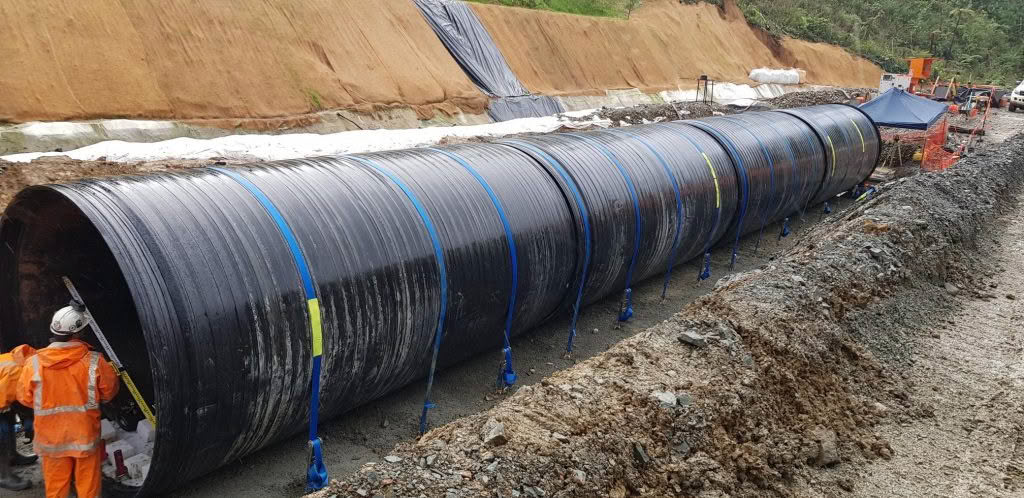
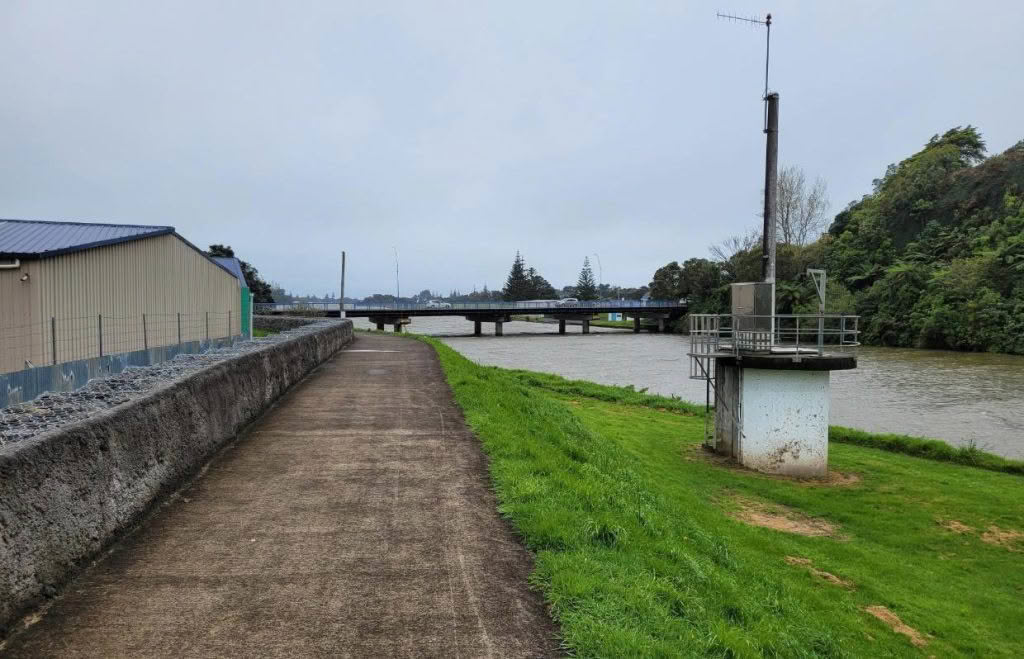
The New Plymouth District Council (NPDC) identified the need to relocate the West Quay wastewater pump station from the Waitara River floodplain due to the risk of inundation. The existing facility also lacked emergency storage and did not meet current code requirements.
As a critical component of Waitara’s wastewater network, the pump station upgrade involved relocating the asset to the town side of the stop bank and providing additional storage capacity to improve network performance during wet weather.
The Challenge
The project required a solution that would reduce flood risk, maintain wastewater service continuity and address current compliance obligations. Relocating the pump station outside the floodplain was a key design decision, while additional storage was needed to accommodate peak inflows during wet weather events.
A significant aspect of the project was PKS Civil's early supplier involvement with NPDC over a five-year period. As the design evolved through multiple iterations, we remained engaged throughout the development process, providing continuity between concept development and delivery planning. This extended collaboration allowed project requirements to be tested and refined before the final solution was confirmed.
Outcomes
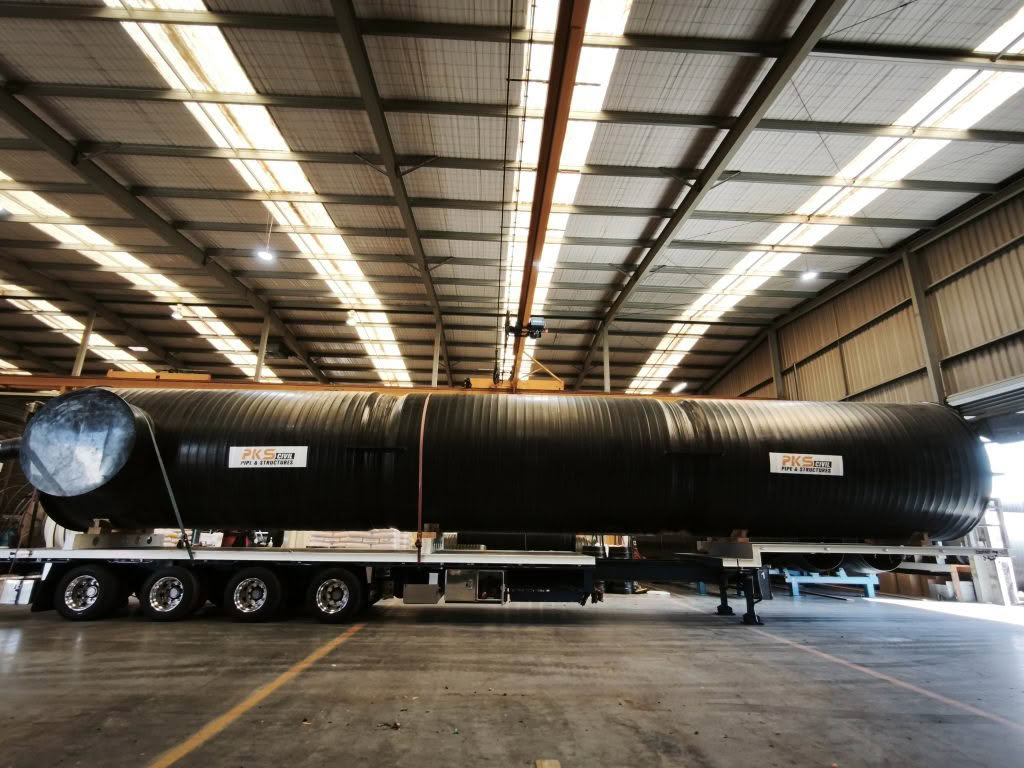
PKS Civil supplied a 70m³ storage tank complete with valves and controls. The installation provides operational contingency during periods of elevated flow and supports the long-term reliability of the wastewater network.
The completed upgrade will relocate a critical asset to a safer location and provide the storage capacity required to meet current needs.
Project Overview
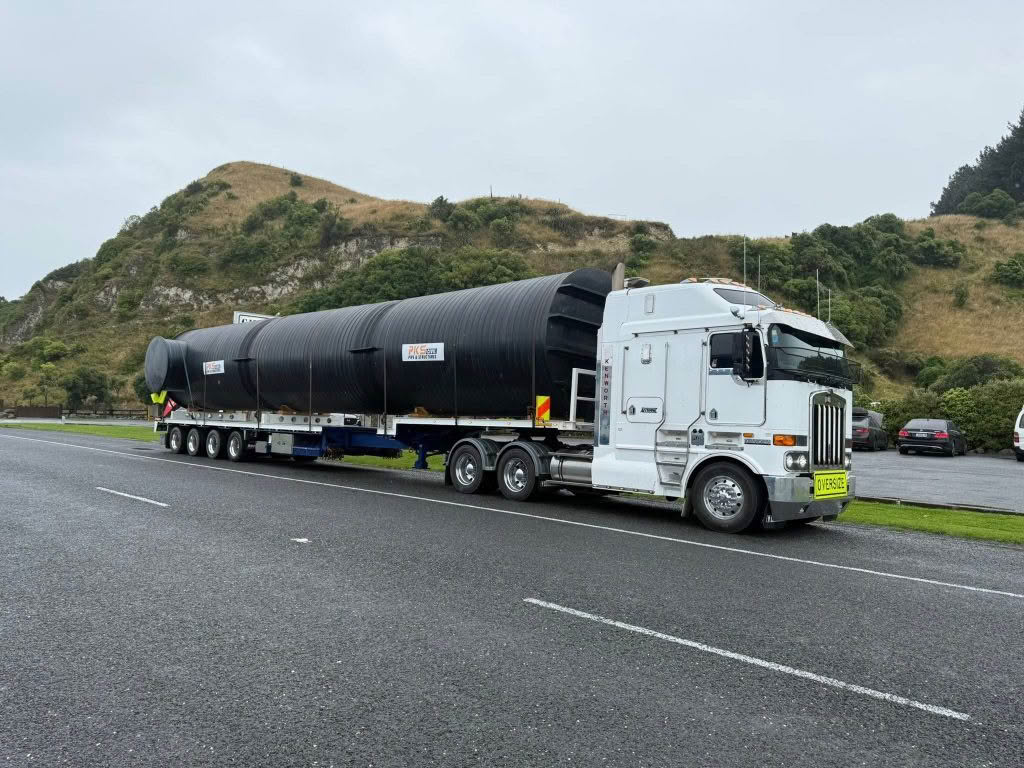
Horowhenua District Council has committed to upgrading the Levin Wastewater Treatment Plant, with an estimated investment of $110 million over the next 10 years. The programme will increase treatment capacity, support future growth and improve the long-term resilience of Levin’s wastewater infrastructure.
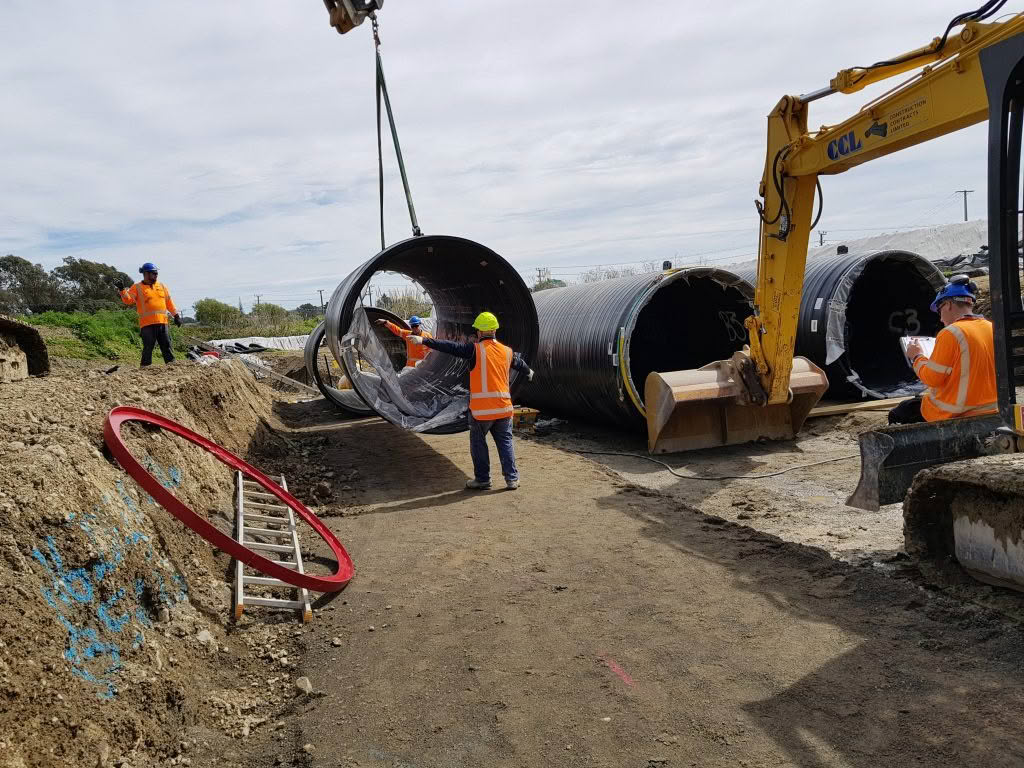
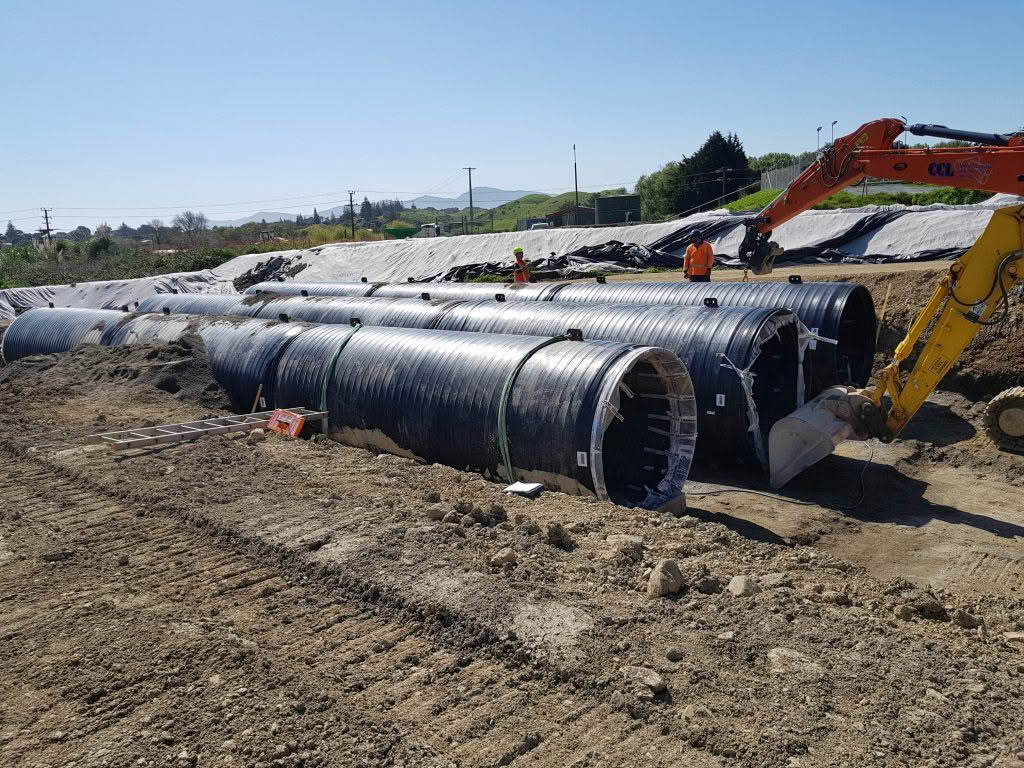
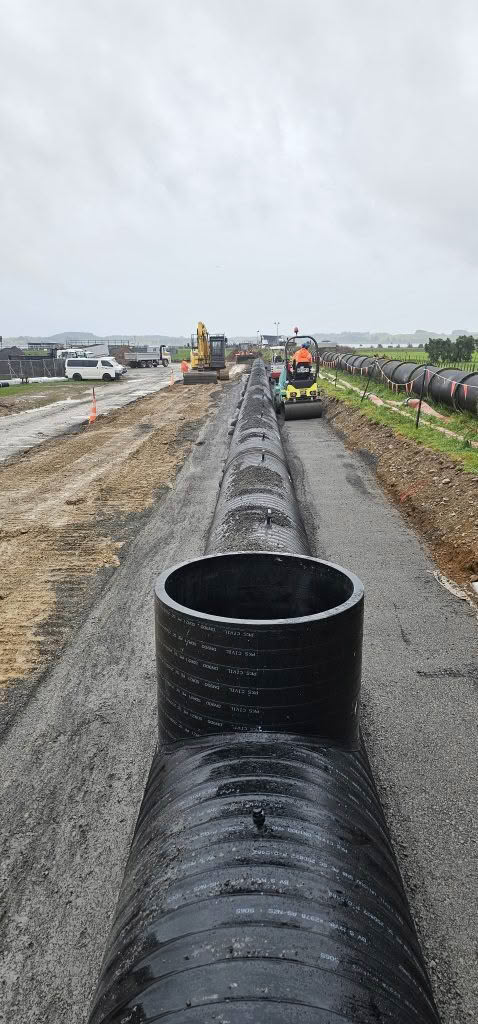
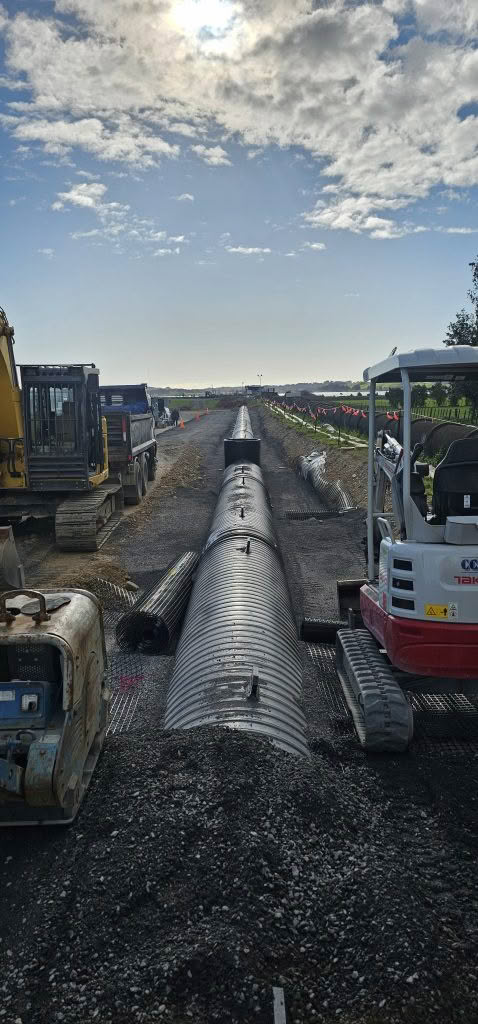
The first major treatment plant upgrade is the construction of a new Headworks facility, which is planned to be completed in early 2028. To enable the new Headworks and provide the additional capacity required, the first stage of works involved constructing a new trunk wastewater pipeline to the treatment plant while maintaining the operation of the existing live wastewater main running along the same corridor.
The Challenge
The existing wastewater main was more than 70 years old and had shown signs of deterioration associated with age and previous seismic activity. Located on a stop bank, any damage to the asset during construction would have introduced operational risks and potential environmental consequences.
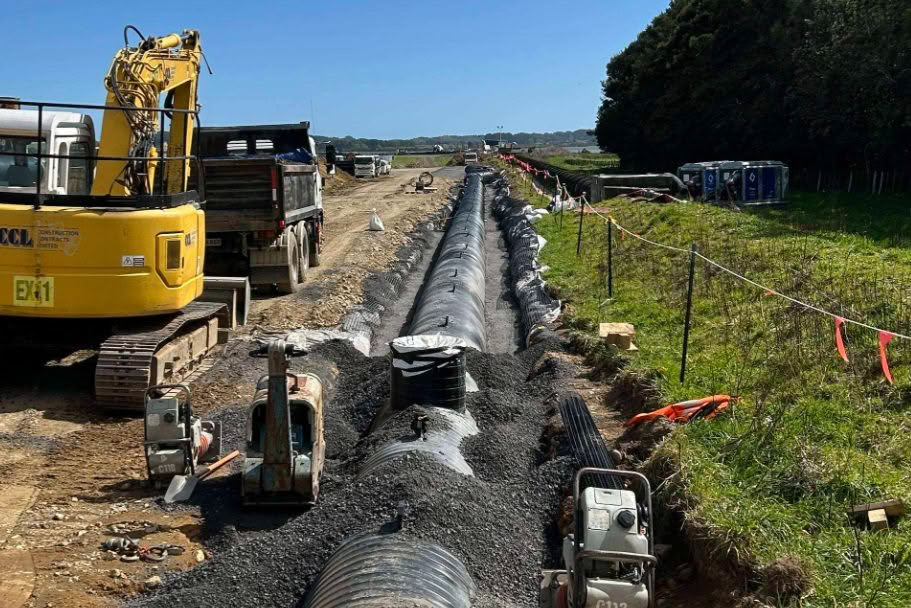
Construction was undertaken through winter across farmland with limited access. Saturated ground conditions and a high groundwater table added complexity to excavation and installation activities, requiring extensive groundwater management.
We developed the detailed pipeline design for the council using the available geotechnical information and loading requirements. The design included embankment works and trench installations to depths of up to five metres to invert.
Outcomes
The new 1,500 m wastewater pipeline comprises 1,000 mm and 900 mm internal diameter pipe connected using a proprietary electrofusion jointing system. To reduce construction risk, the design incorporated access turrets for inspection and cleaning in place of traditional large-diameter concrete manholes at every access point. Concrete manholes were used only at wider intervals to maintain personnel access where required.
Stages 1 and 2 have been successfully constructed by Construction Contracts Ltd over the past 12 months. The completed works provide increased network capacity and improved operational access while reducing the risks associated with constructing and maintaining large manhole structures adjacent to the existing asset.
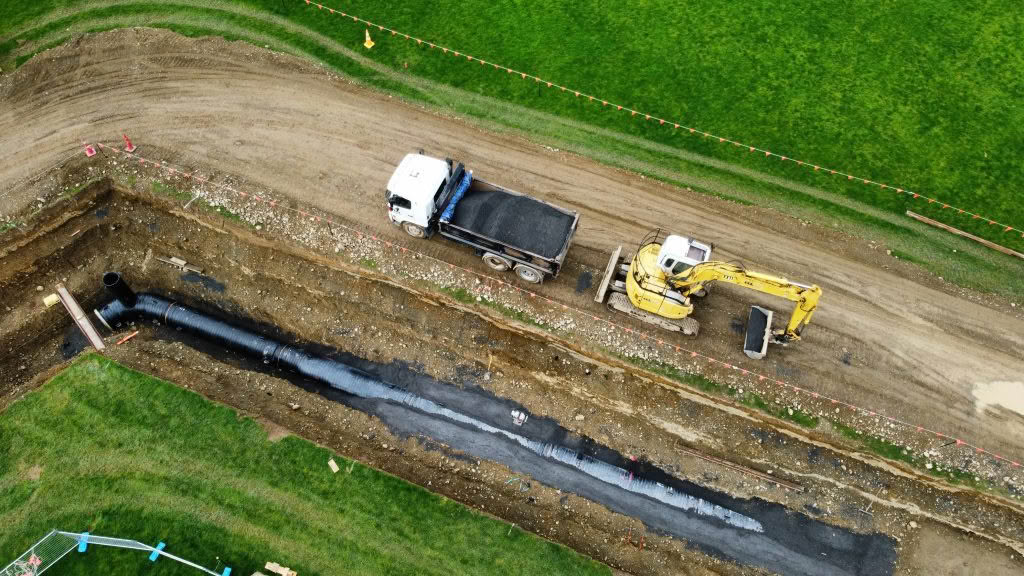
We were integral in connecting Wellington to the growing economy centres of the Kapiti Coast/ Horowhenua regions and the wider North Island.
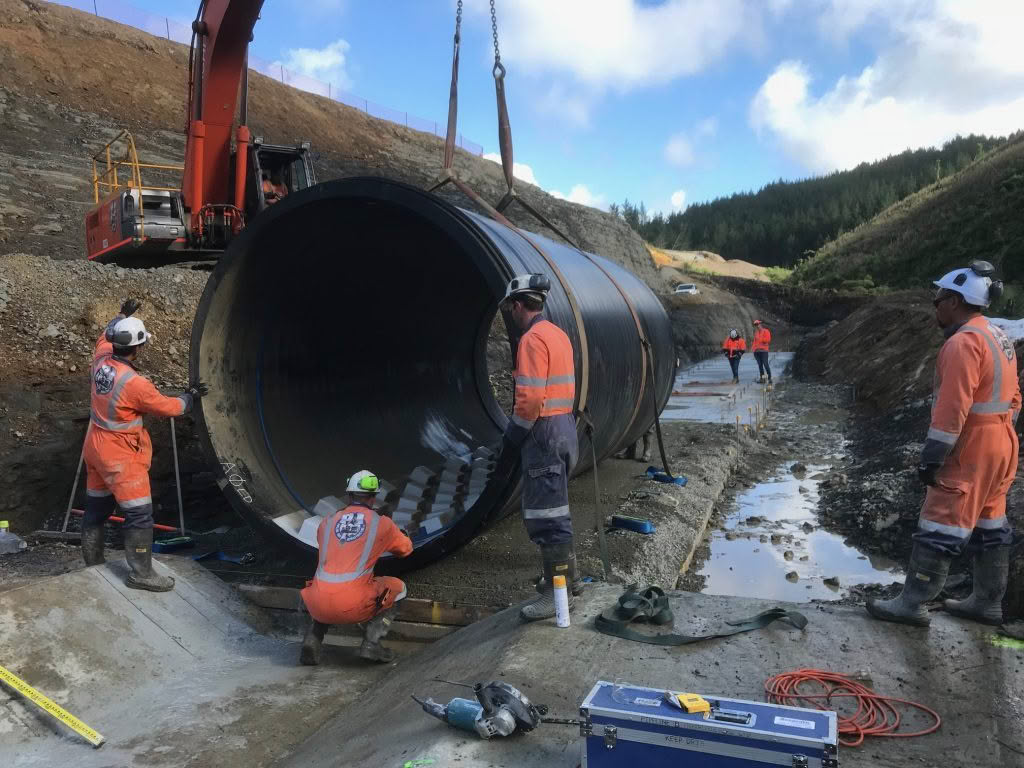
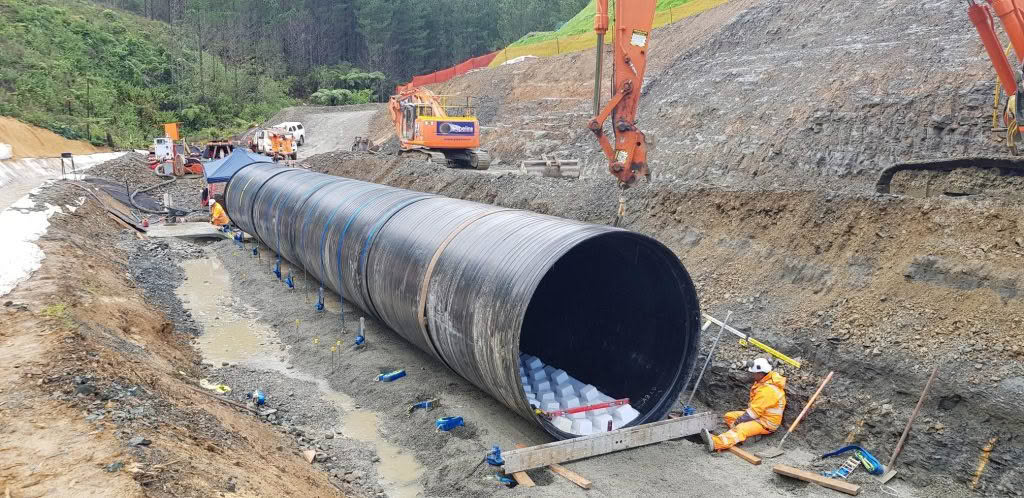
Over 12km of PKS Civil Culverts, ranging from DN300 to DN2500, were supplied to the Transmission Gully Project to be installed as culverts under the main highway alignment. The contractor found that the long lengths resulted in less joints and less risk posed to the culverts under the main alignment.
On the project, there were six major culverts that were designed to the NZTA Bridge Manual and required an FEA (Finite Element Analysis) modelling to be carried out on each individual pipe section to determine selection of the correct Stiffness Nominal (SN) class for pipes that were installed. The culverts are installed near many earthquake fault lines, and at varying depths, the culverts are required to support the earth structure and State Highway constructed directly above.